The restaurant industry has changed a lot in recent years, and one of the biggest changes is how video content is used.
Video has become a powerful tool that helps restaurants attract more customers and grow their business. In a world where people scroll through many videos of delicious food, restaurants that use video marketing well are not only showing food—they are creating experiences that make people want to visit.
If you’re trying to make a strong impression quickly, here’s a simple solution: use AI Tools like Pippit, an easy-to-use and free AI video generator, are make it simple to create short, compelling videos that grab people’s attention.
The results are clear: restaurants that use strategic video marketing see a significant increase. On average, they experience a 40% rise in people coming to the restaurant and a 25% increase in online orders within six months. Yet many restaurant owners still rely on traditional marketing methods and are missing out on the power of video to connect with customers.
The Psychology Behind Food Video Success
Food has a unique power to affect people.
When people watch videos of food being prepared, like melted cheese or sizzling onions, their brains release dopamine—a chemical linked to pleasure. This makes them feel a strong desire to eat. Traditional ways of marketing, like text, can’t match this effect.
Smart restaurant owners use this by creating videos that appeal to the senses.
They show the look of a golden crust, the sound of crackling bacon, and the feel of a creamy sauce. These videos create a sense of “vicarious consumption,” where people feel like they are tasting the food just by watching it.
Platform-Specific Strategies That Convert. Each social platform has its own way of showing content. Successful restaurant video marketing requires knowing how to tailor content for each platform. Instagram Reels work best with short, fast-paced videos that have clear close-ups and popular music. TikTok often shares behind-the-scenes content that shows the kitchen team and how dishes are made. YouTube Shorts allow for longer stories, like customer interviews or chef features.
Success depends on understanding each platform’s culture.
TikTok users like real and funny content, making it ideal for showing both kitchen successes and small mistakes. Instagram audiences enjoy polished and stylish content that makes dining at your restaurant feel like a lifestyle. Facebook videos are better when they show community support, like stories of local partnerships or customer events. Timing is also important. Studies show that food videos posted between 11 AM and 1 PM, and again between 5 PM and 7 PM, get more engagement than others. These times align with when people are deciding what to eat.

Content Pillars That Build Hungry Audiences
Good video marketing for restaurants is built on four main types of content.
First, process videos that show how food is prepared, build trust and interest. These videos give people a sense of how your dishes are made and show the effort behind each meal. Second, customer experience videos featuring real people enjoying food are powerful. These videos, whether captured naturally or through campaigns, prove that your restaurant delivers what it promises. Authentic feedback is one of the best ways to attract new customers.
Third, videos that highlight seasonal or limited-time offers create a sense of urgency. Showing special menu items, holiday preparations, or seasonal ingredients makes people feel like they might miss out if they don’t visit.
Finally, educational videos that teach cooking techniques or ingredient choices position your restaurant as an expert. These videos provide real value to your audience and help build lasting loyalty.
Measuring Success Beyond Views
While views are important, smart marketing focuses on the results that matter most. Tracking how videos lead to bookings, orders, and in-person visits helps measure real impact. Engagement, like comments, shares, and saves, shows how deeply your audience connects with your content.
Five-Second Wonder: How to Make Snack-Sized Ads with Pippit
Here’s how it can be done without the stress of technology:
Step 1: Go to the video generator section
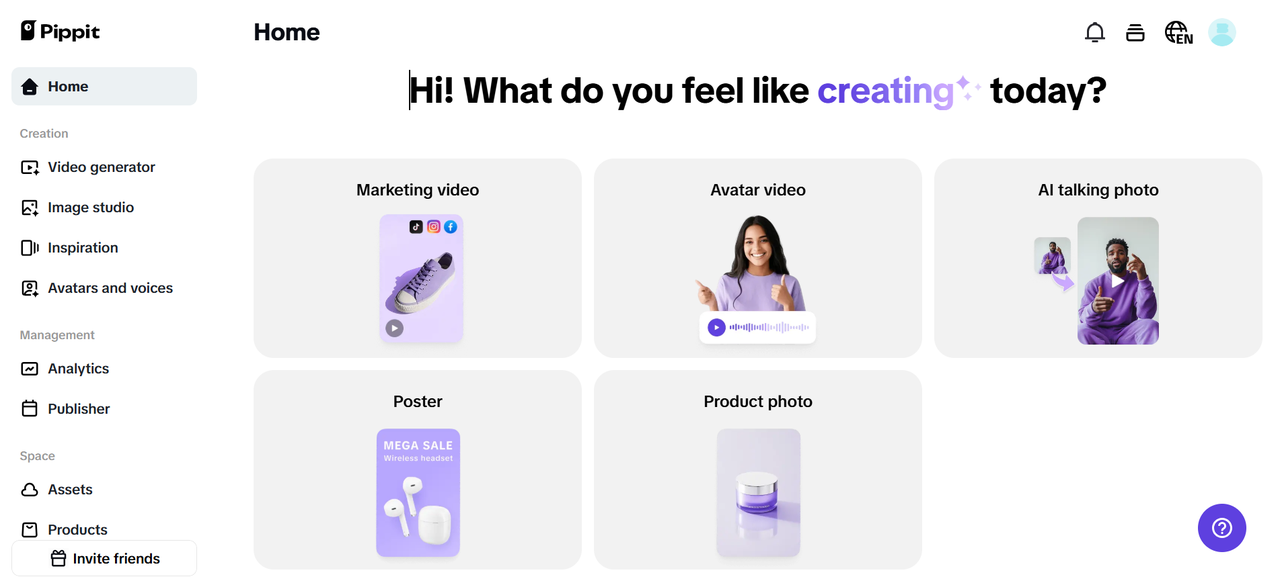
Visit the Pippit website and choose the ‘Video generator’ tool. You can upload your raw footage or enter a product link. To add a personal touch, you can use voice, avatar, or script-matching tools.
Step 2: Use AI to enhance your video
Open the editing interface to bring your clip to life. Use ‘Auto reframe’ to make it easier to watch on mobile devices. ‘Retouch’ adds polish, while ‘Overlay’ adds animated text. If your background looks messy, use ‘Remove background’ to keep your brand clean and clear.
Step 3: Download your video
Watch the preview and click ‘Export’ if you like it. Choose a format that matches your platform and download the video. Save it for your next campaign or share it directly on Instagram or TikTok.
Can Lip Sync Sell Your Brand?
Yes—especially if it makes people smile.
Lip-sync trends have been popular on TikTok for years, and now brands are using lipsync AI to add personality to their short videos. Imagine a product that talks, dances, or mimics trending sounds. You’re not just promoting a product—you’re creating something fun to watch.
Pippit: Your Shortcut to Smart Ads
If you’ve read this far, you already understand the key: five-second videos don’t mean doing less—they mean doing better.
Any clip can become a top scroll with the help of a free AI video generator like Pippit. All you need is the right tool and a good story. No equipment, no money, no team is needed.
Don’t worry if you need help with the next campaign. Join Pippit, upload your images, and watch the rest happen. Are you ready to create your own special snack-sized ads? Start making AI-powered videos that grab attention before the first scroll ends—try Pippit now.